
.
Tracing every dish back to the specific hand that made it first — in a specific kitchen, in a specific city, on an ordinary Tuesday.
Philippine Kitchen

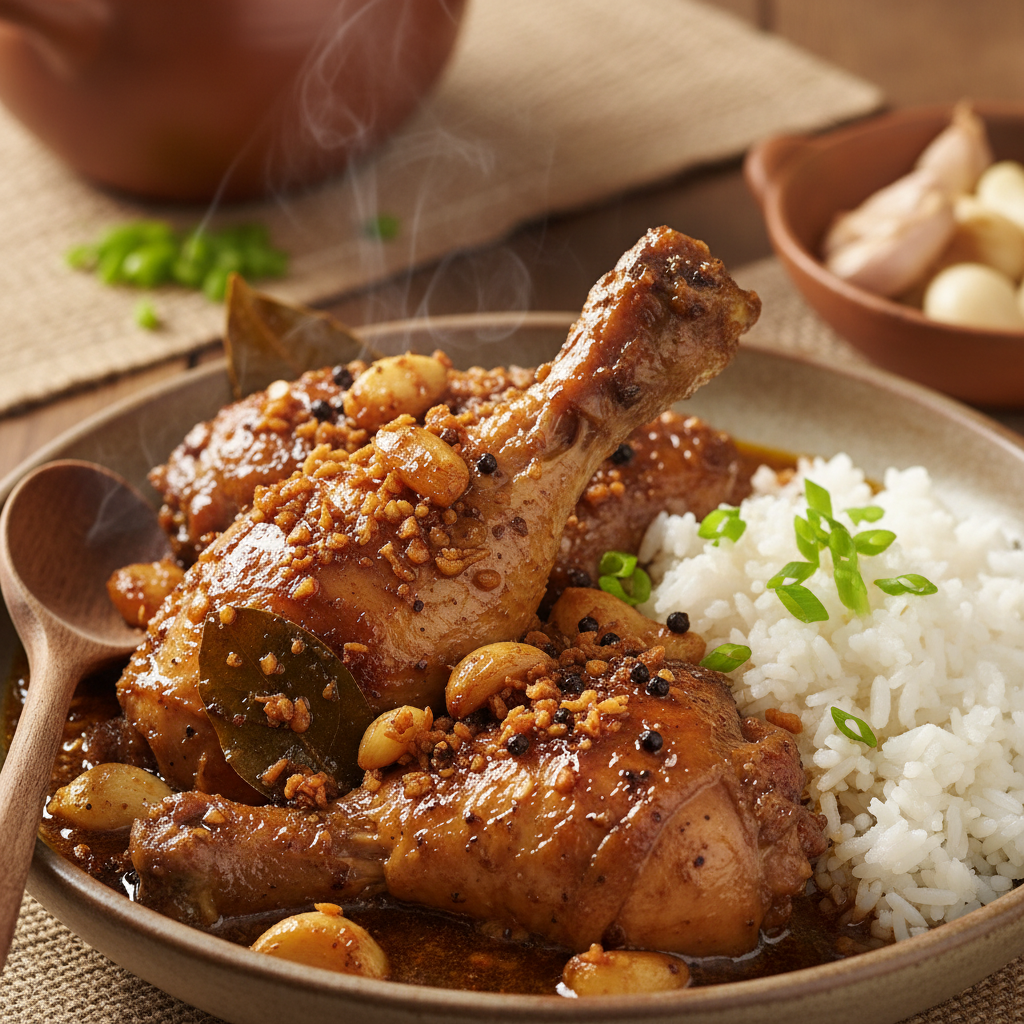
She never wrote it down. The recipe lived in the angle of her wrist when she stirred.
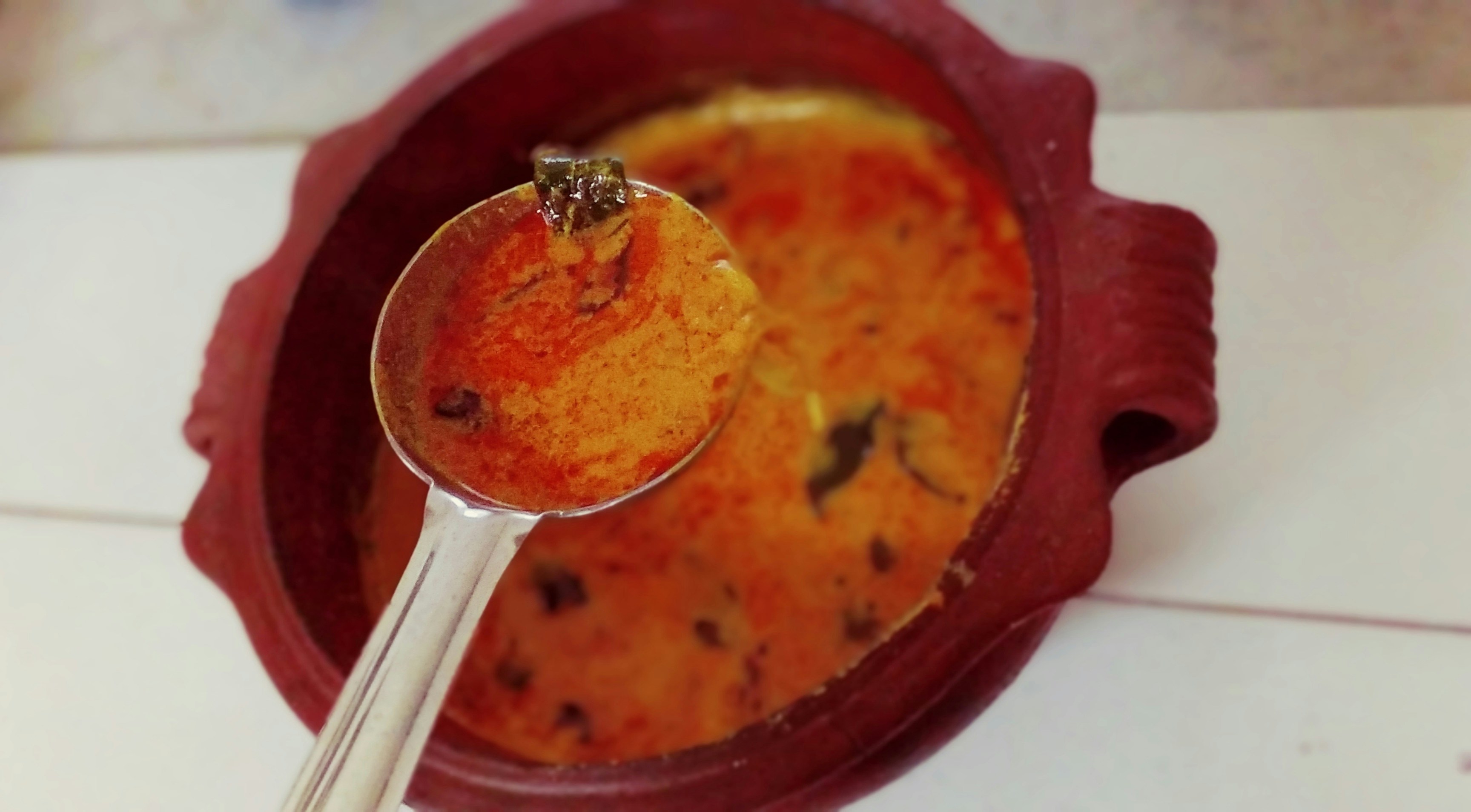
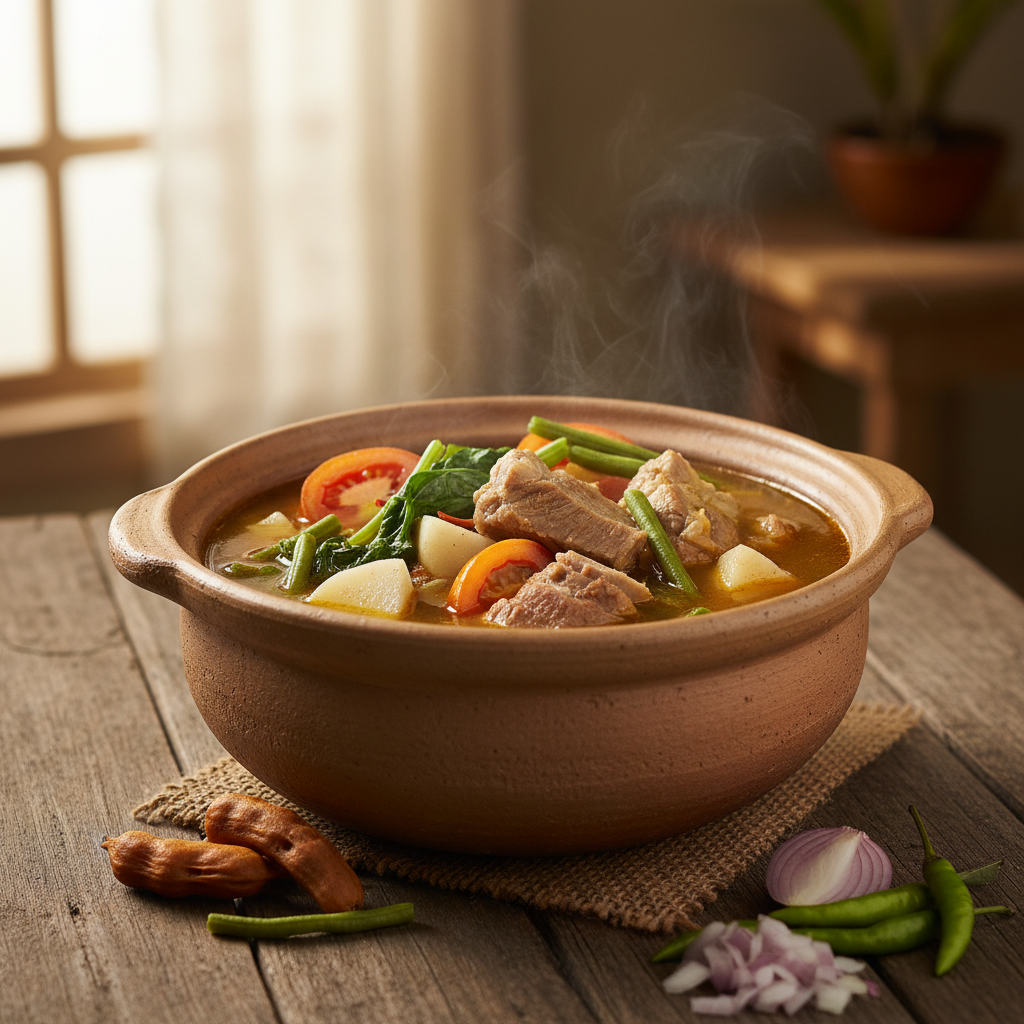
Luz Villanueva learned to cook adobo the way most Filipino grandmothers do — by watching, not measuring. Vinegar from her province, bay leaves dried on the kitchen windowsill, pork shoulder from the corner carnicería. The dish that every Filipino abroad calls home was never one dish at all.
Ethiopian Table

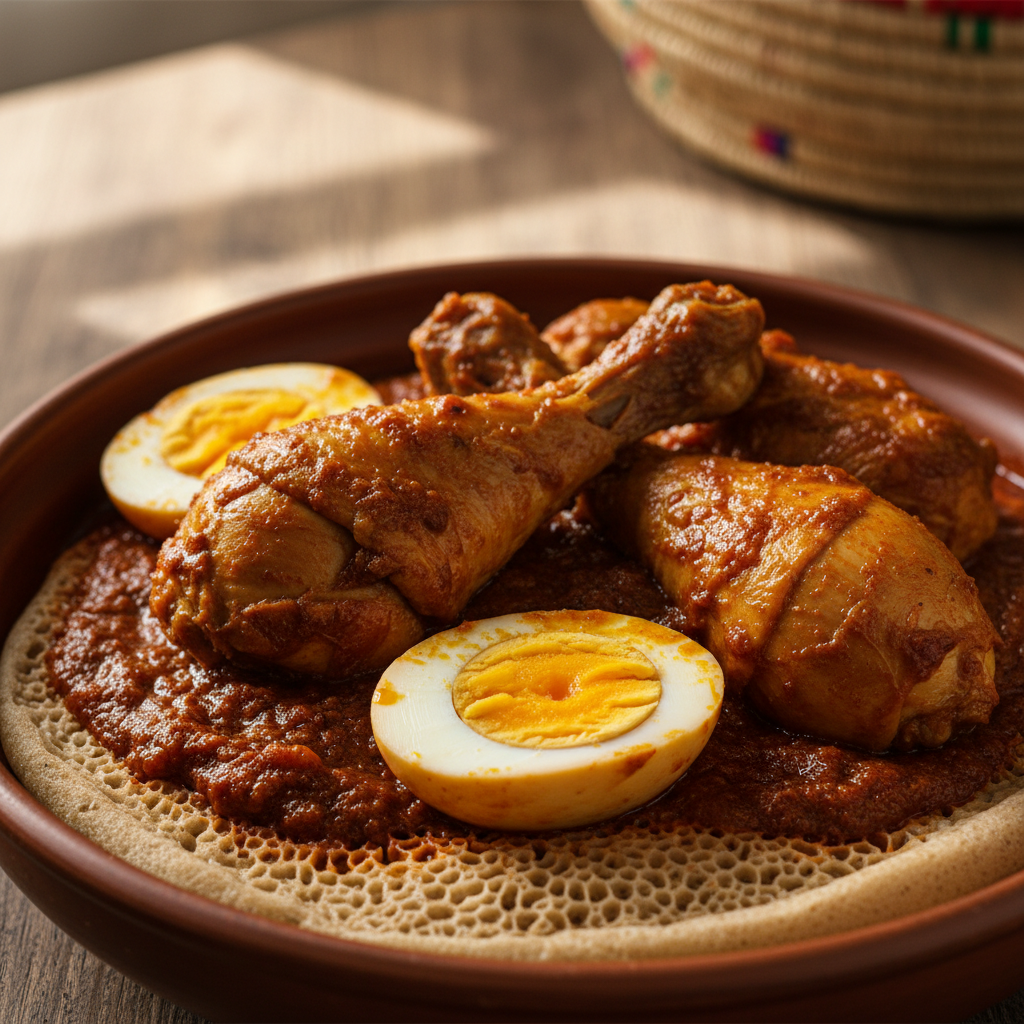
Injera is not bread. It is the plate, the utensil, and the conversation — all fermented together.
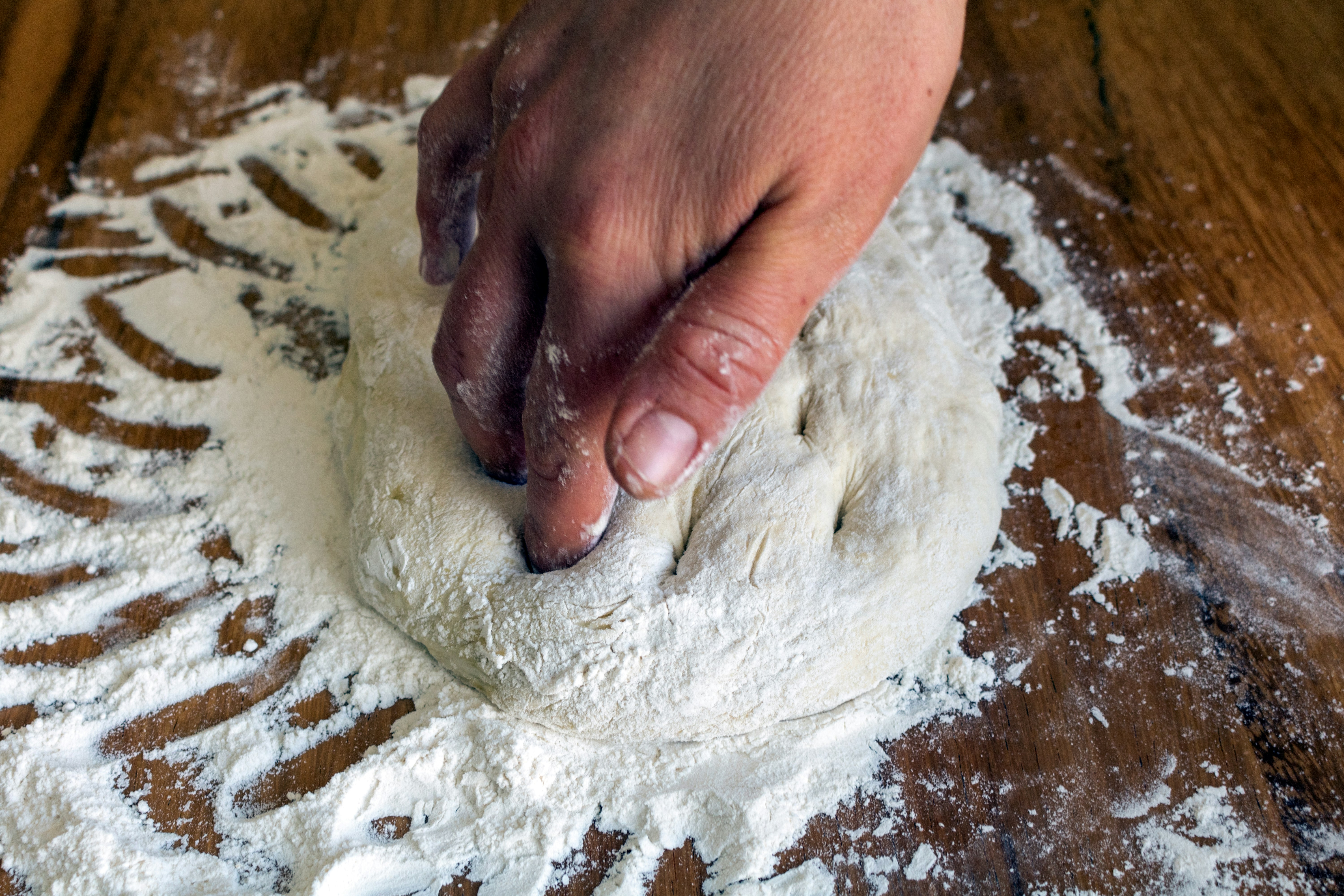
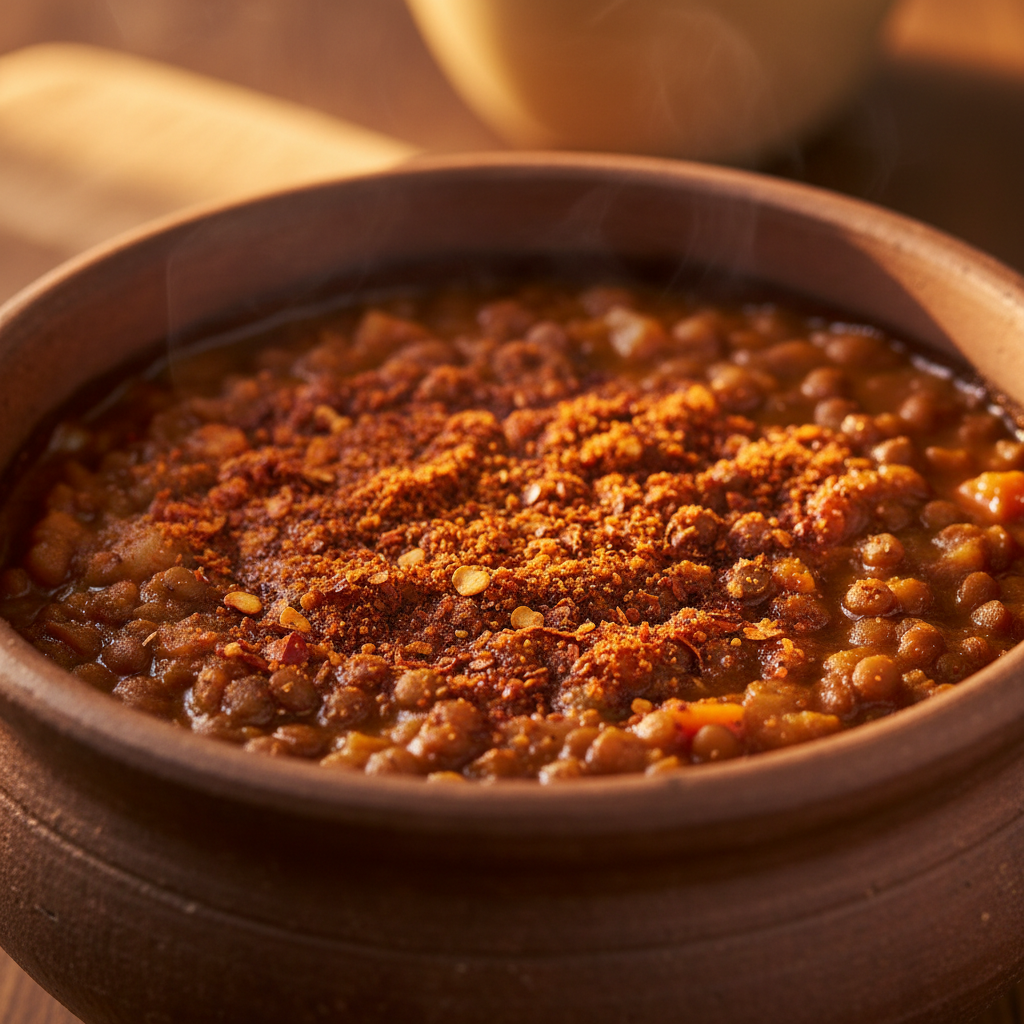
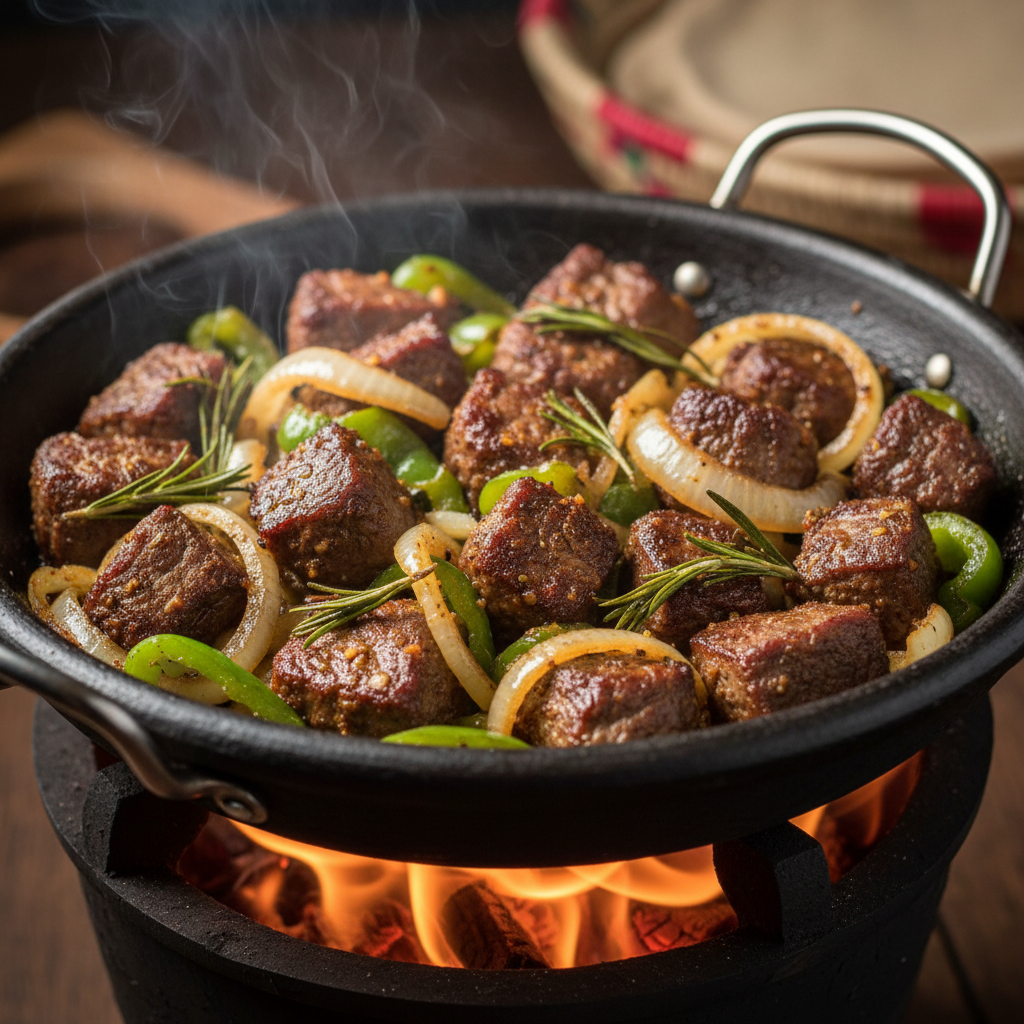
In Tigist Haile's Chicago kitchen, the sourdough starter for injera is twelve years old — carried from Addis in a sealed jar tucked inside a carry-on. The teff flour comes from a co-op in Minnesota run by Ethiopian farmers. The wat is built in layers, each spice bloomed separately in nit'ir qibe. This is not fusion. This is memory, made edible.
Vietnamese Street

The broth takes fourteen hours. The eating takes four minutes. This is not a contradiction.
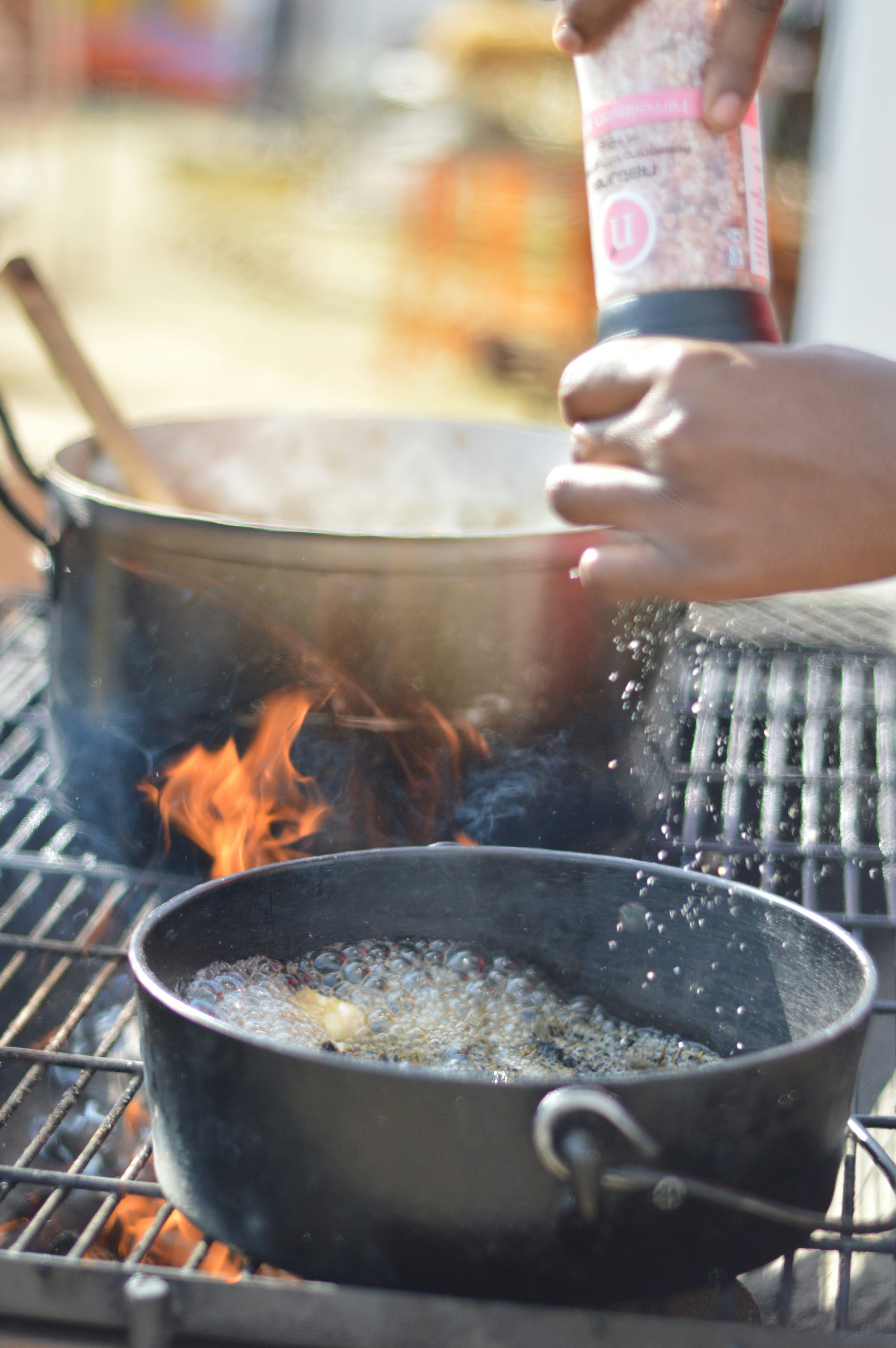
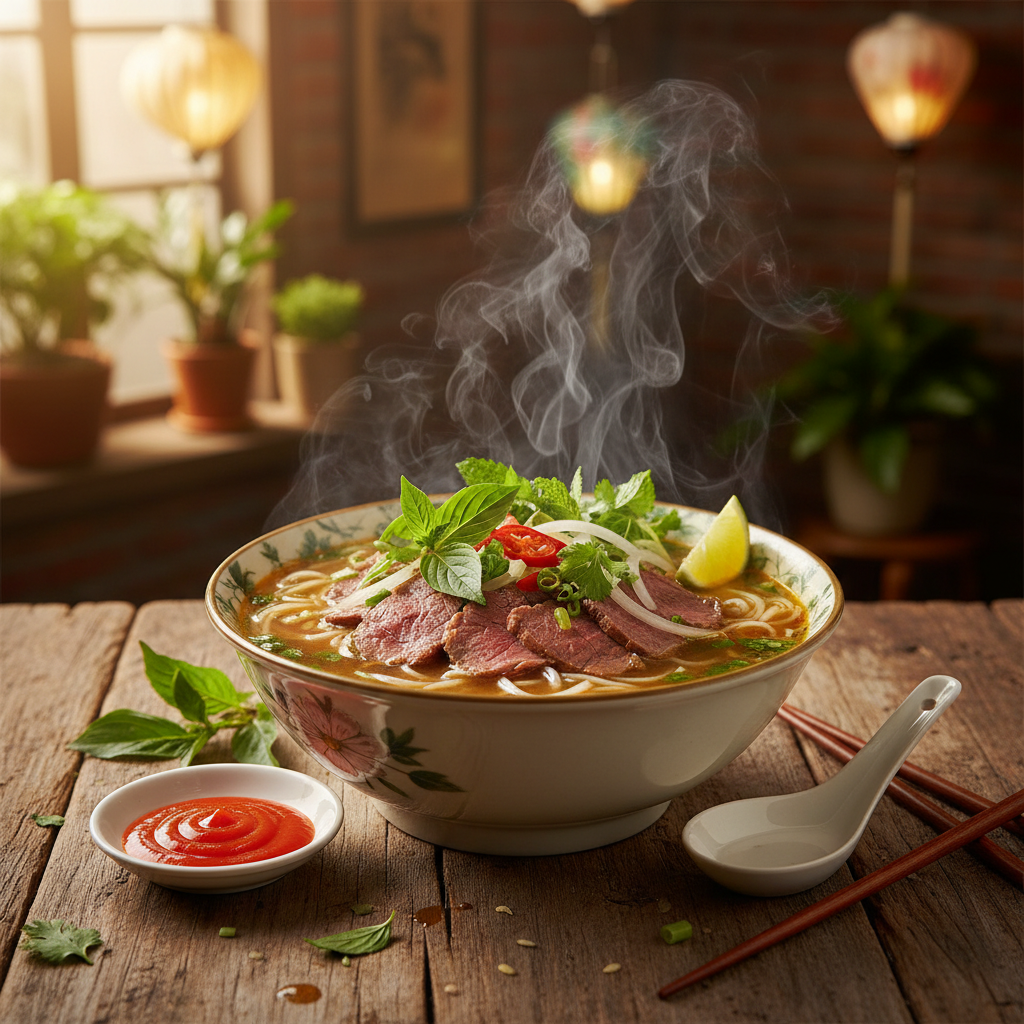
Bà Nguyễn Thị Hoa has been ladling pho from the same corner on Phố Lý Quốc Sư since 1987. She wakes at 3am to char the ginger and onion over open flame — the smell is the alarm clock for the whole alley. Her son now runs a restaurant in Houston. He calls her every Sunday to ask about the spice ratio. She never tells him exactly.
We believe a recipe without its story is just a list of instructions. The grandmother, the street corner, the argument about whether you add the fish sauce before or after the lime — that's where the food actually lives.
— The Simmer Editors, February 2026
The table is full.
Simmer reaches 38,000 readers across 60 countries every Thursday morning.
"I found my lola's kare-kare recipe here and cried for twenty minutes. Thank you."

"The headnotes read like short stories. I cook and cry at the same time."
"Finally — a food publication that treats immigrant cooks as the experts they are."

"I read the pho piece to my kids at dinner. We talked about their grandfather for an hour."

"The writing is beautiful. The recipes actually work. Rare combination."
"Simmer is the only food newsletter I read every single week without skimming."

"I found my lola's kare-kare recipe here and cried for twenty minutes. Thank you."
"The headnotes read like short stories. I cook and cry at the same time."
"Finally — a food publication that treats immigrant cooks as the experts they are."
"I read the pho piece to my kids at dinner. We talked about their grandfather for an hour."
"The writing is beautiful. The recipes actually work. Rare combination."
"Simmer is the only food newsletter I read every single week without skimming."
"I read the pho piece to my kids at dinner. We talked about their grandfather for an hour."
"The writing is beautiful. The recipes actually work. Rare combination."
"Simmer is the only food newsletter I read every single week without skimming."
"I read the pho piece to my kids at dinner. We talked about their grandfather for an hour."
"The writing is beautiful. The recipes actually work. Rare combination."
"Simmer is the only food newsletter I read every single week without skimming."
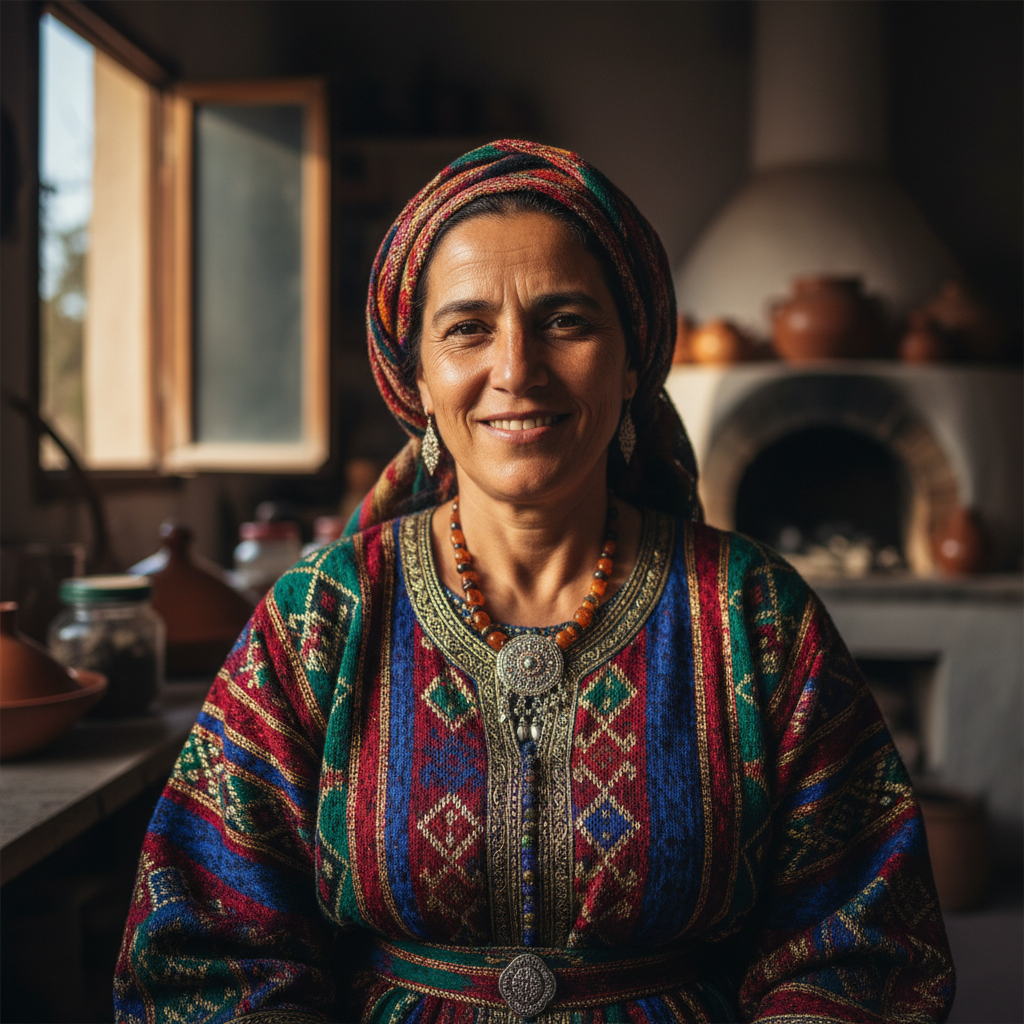
Fatima Al-Rashidi
Marrakech, Morocco · 71 years old · Cooking since age 9
"Ras el hanout has thirty-seven spices. I use twenty-two. My mother used nineteen. Her mother used fourteen. We are always adding. Never the same dish twice."
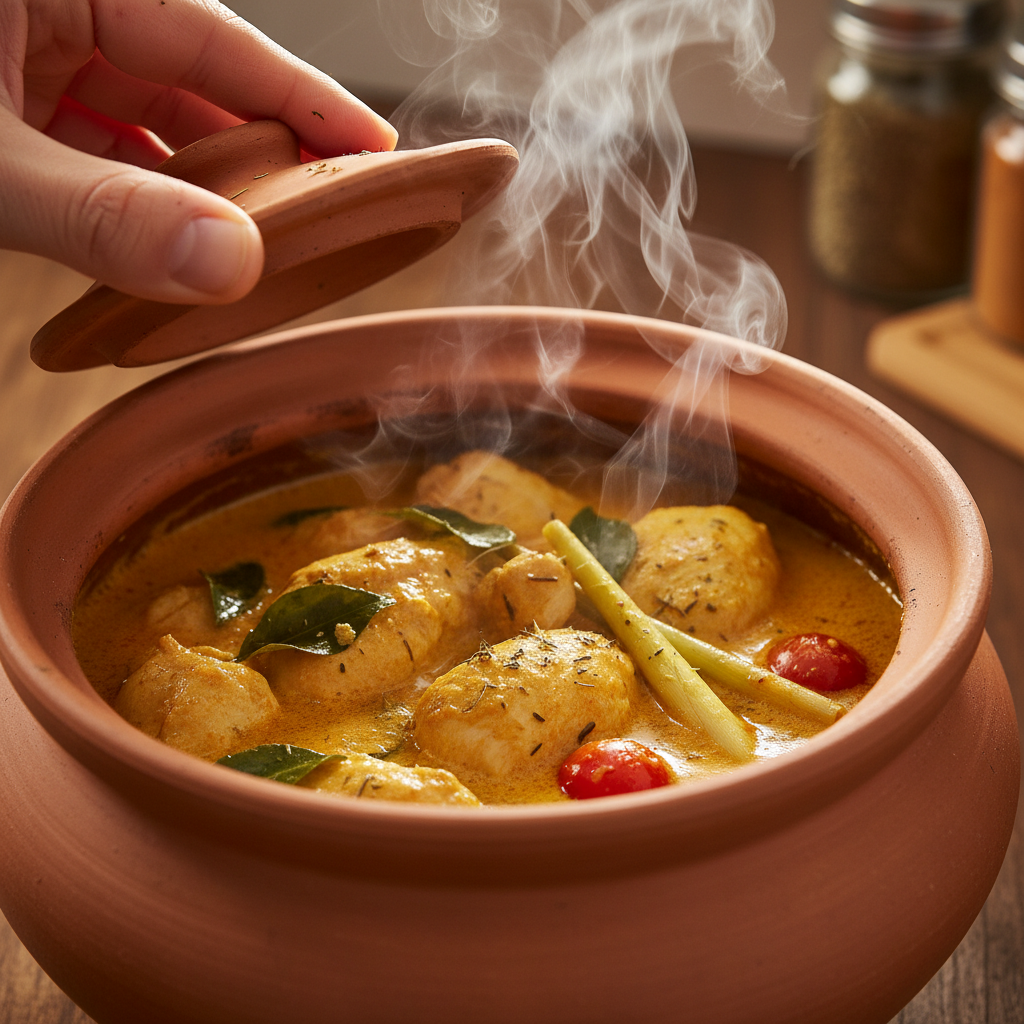
Fatima has cooked in the same kitchen in the Medina for over sixty years. Her tagines — lamb with preserved lemon and olives, chicken with saffron and almonds — have fed four generations of her family and, over the past decade, curious travelers who find her through word of mouth alone. She has never written a recipe. Everything lives in muscle memory and the smell of the spice drawer.